A sense of identity
Children who know their story, their festivals and their language are more at ease sharing them with friends and neighbors.
Culture isn't learned from a textbook. It is sung, drawn, heard and shared. At Vidhya Deepam, children grow up with it as a joyful part of who they are.
Children in our community move between home, school and a wider culture every day. A strong, positive connection to their heritage gives them something steady to stand on: a sense of who they are, values to live by, and a community that knows them.
Children who know their story, their festivals and their language are more at ease sharing them with friends and neighbors.
Honesty, compassion, discipline, gratitude and respect for all are taught through examples they remember, not rules they memorize.
From age 4 to 18, children build friendships and mentors who share their traditions, and families do the same.
Children do not just need to know about their culture. They need to live it, with their hands, voices and hearts.
Every child learns differently. Some remember a story, others a melody, others what they made with their hands. By combining six approaches we reach each child in the way that works for them, and each approach reinforces the others.
Drawing and creative projects let children express what a story or festival means to them, in their own way.
Making diyas, cards and festival decorations with their hands turns tradition into something they can hold and give.
The epics and the Bhagavata come alive in age-appropriate storytelling, giving children heroes and values to remember.
Selfless service turns values into habits. Students plan and lead projects that help others, and learn dharma by doing it.
Chanting builds focus, calm and a living connection to Sanskrit, and children learn the meaning behind the words.
Singing together makes devotion joyful. Children carry the melodies home long after class ends.
Facts about a tradition are easy to forget. Taking part in it is not.
Each session begins together with prayers, chanting and a story, then children move into an age group with its own focus.
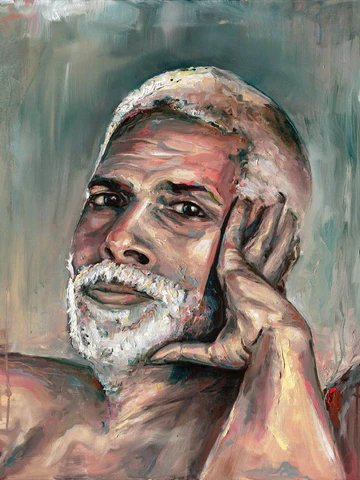 RamanaAges 4 to 7First prayers, simple stories, bhajans and a picture workbook.
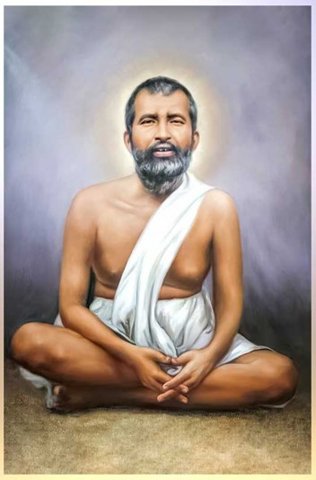 RamakrishnaAges 8 to 10Stories of Lord Vishnu from the Bhagavata, shlokas and hands-on art.
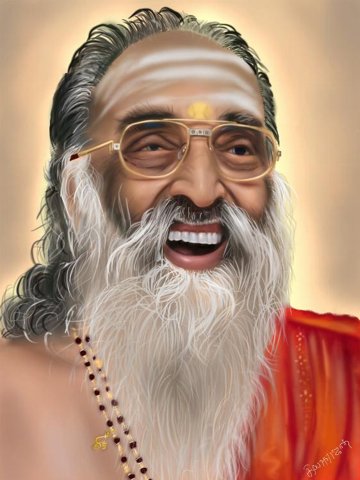 ChinmayaAges 11 to 14Ancient wisdom, universal values and the sacred places of India.
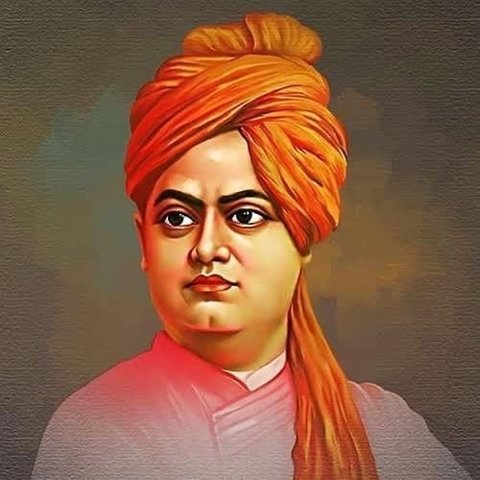 VivekanandaAges 15 to 18Student-led service projects that put Hindu values into action.
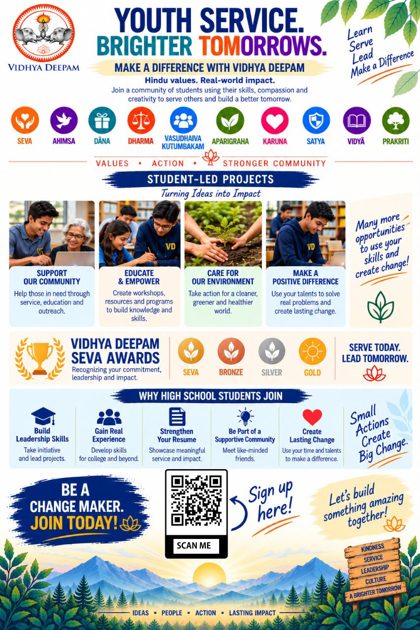
Our high school students take what they have learned and use it to serve others. Guided by ten core values, including seva, ahimsa, dana and karuna, they plan and lead projects in the community.
See the youth programJoin our community of families. Membership supports our classes, festivals and service projects.